What Causes Foundation Movement in Aurora? (Expansive Soil & Weather)
Short answer: Around Aurora and much of the Denver metro, a big driver is expansive clay soil that shrinks when dry and swells when wet, plus Front Range weather that swings between dry spells, spring snowmelt, irrigation season, and freeze-thaw. Drainage, plumbing leaks, trees, and how the house was built also play a role. Movement doesn’t always mean “the house is failing”—but it does mean symptoms are worth understanding with a professional if they’re active.
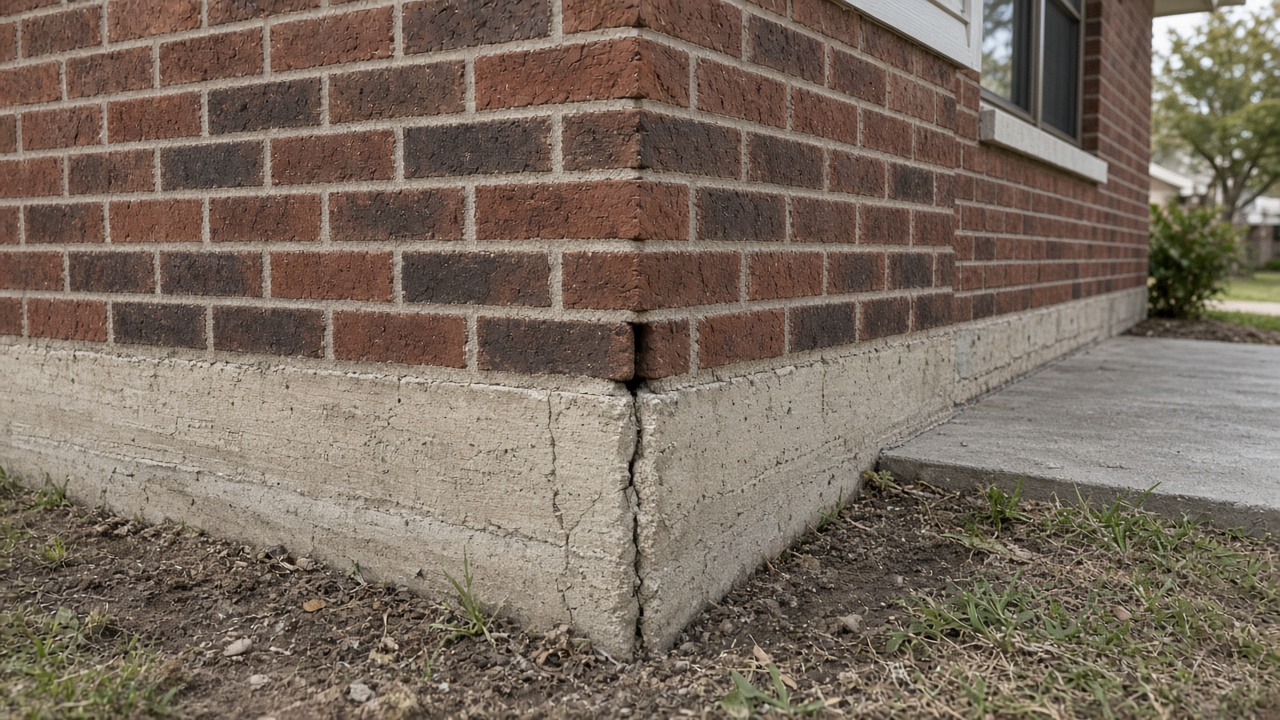
Local factors homeowners hear about
- Expansive clay soils common across Aurora, Centennial, Parker, and much of the Front Range — volume changes with moisture
- Front Range seasons — dry summers and winters, then wetter springs, snowmelt, and freeze-thaw cycles
- Irrigation and landscaping — uneven watering near the foundation edge
- Drainage — water pooling near the slab, poor grading, or downspouts dumping at the base
- Vegetation — large trees pulling moisture from soil near the house
- Plumbing leaks under or near the slab (sometimes hidden)
- Original construction and soil prep — varies by neighborhood and era
Many Denver-metro homes are slab-on-grade; others use basements or different systems. The point isn’t which buzzword applies—it’s whether moisture and soil under your house are shifting enough to show up inside as cracks, sticking doors, or elevation changes.
What this means for you
You can’t control the clay or the freeze-thaw calendar. You can notice changes early, keep gutters and grading from dumping water at the foundation edge, and get an independent look when symptoms stack up. Repair methods (if any) belong to the evaluating professional—not a website article.
When to request an estimate
If you’re seeing ongoing cracks, sticking doors, sloping floors, or gaps that track with wet/dry weather or seasonal freeze-thaw, request an estimate. An independent provider can relate what they see on-site to local conditions and explain options.
About this site
Estimate requests may be shared with independent foundation professionals who serve Aurora and surrounding Colorado communities. We do not perform foundation repair or soil engineering.